SmartSwaddle: a wireless vital-sign monitor built into an infant swaddle
A noninvasive, battery-powered sensor pod that sits in a fabric wrap and continuously streams an infant’s heart rate, blood oxygen, temperature, breathing and sleep position to a caregiver’s computer, with alarms when a reading crosses a threshold. Aimed at SIDS prevention.
My role
PCB design, Bluetooth data encoding, MATLAB GUI
Team
“5 Guys”, five-person senior design team
Course
BME 452 Senior Design, NC State / UNC Joint BME
Output
Working prototype + provisional patent draft
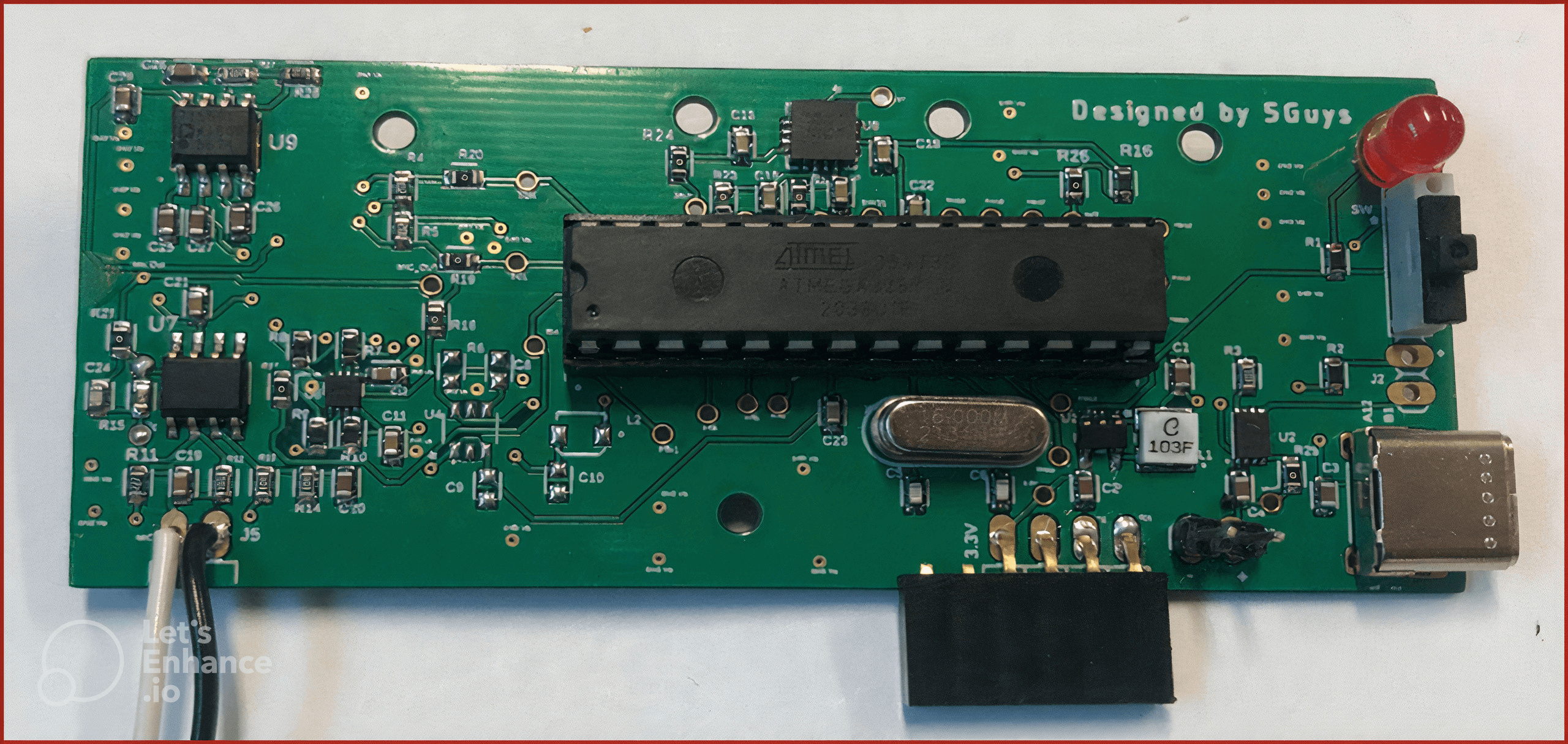
The assembled double-sided board: ATmega328P, sensor front-ends, LiPo charging over USB-C.
What it measures
Heart rate & SpO₂
Pulse-oximeter module read through an acrylic window in the enclosure
Body temperature
Non-contact IR temperature sensor behind the same window
Breathing & lung sounds
Electret microphone coupled to a spring-loaded stethoscope head
Sleep position
On-board accelerometer tracks body orientation
Wireless
Packaged sensor data streamed over Bluetooth to a monitoring computer
Power
LiPo battery with USB-C charging, regulator and status LEDs
Enclosure and swaddle
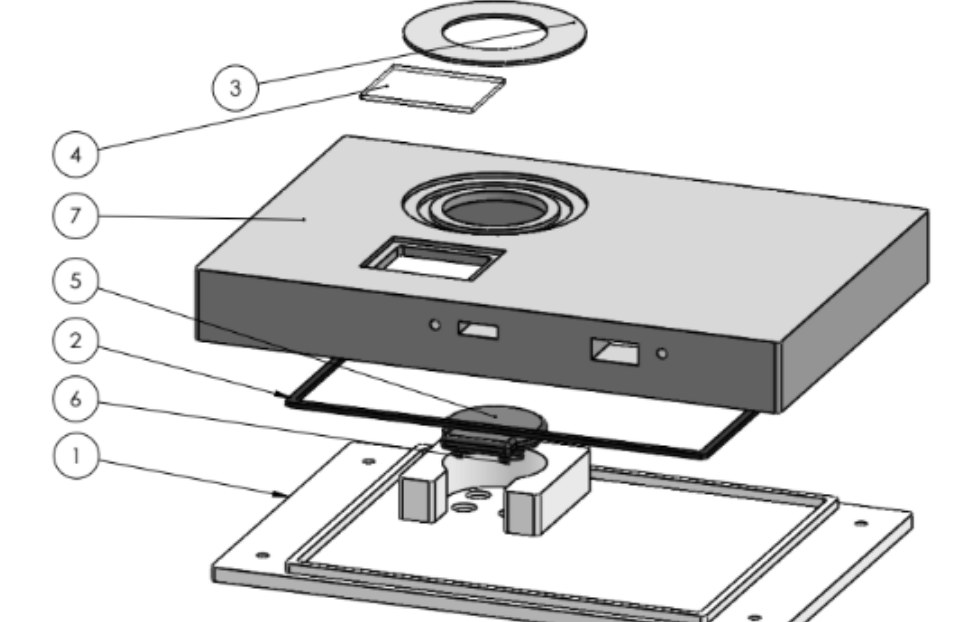
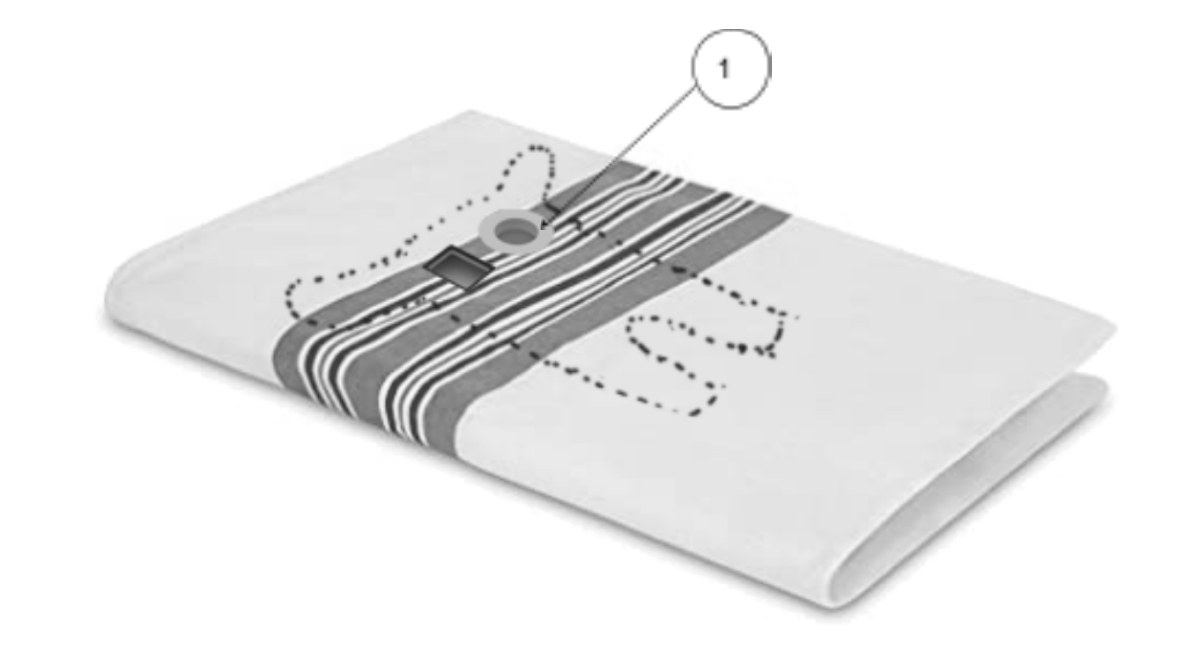
The electronics sit in a sealed plastic pod: a rubber gasket and stethoscope cap keep moisture out, an acrylic window gives the optical and IR sensors a clear view, and a sprung platform presses the stethoscope head against the body. The pod slides into a fabric wrap whose snap buttons line the sensors up with the right spot on the infant.
Exploded view of the sensor enclosure.
The pod embedded in the swaddle.
Electronics
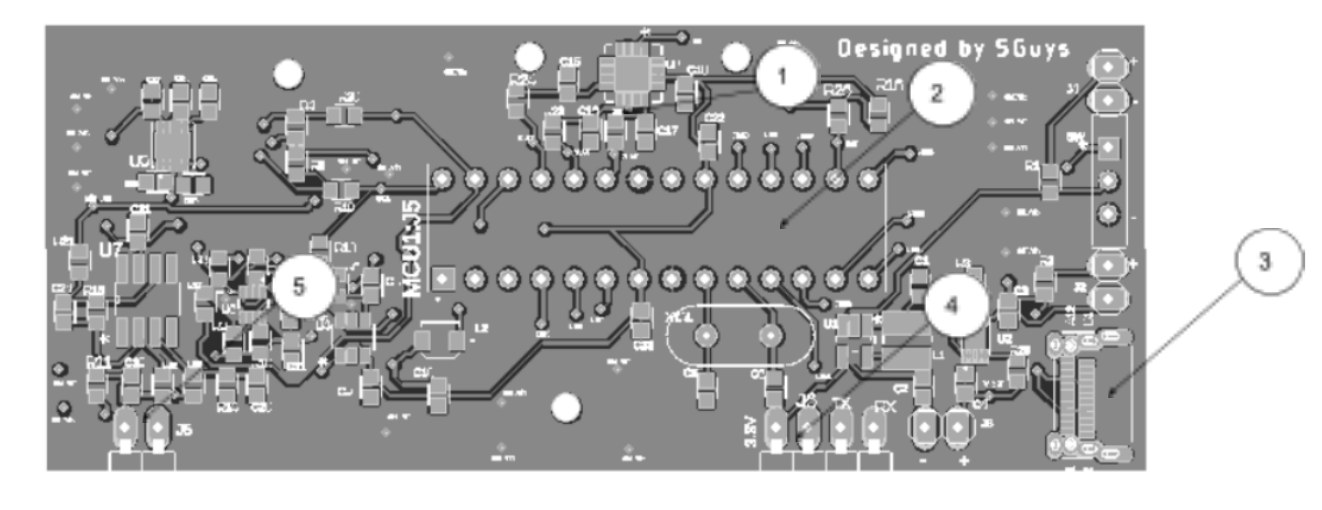
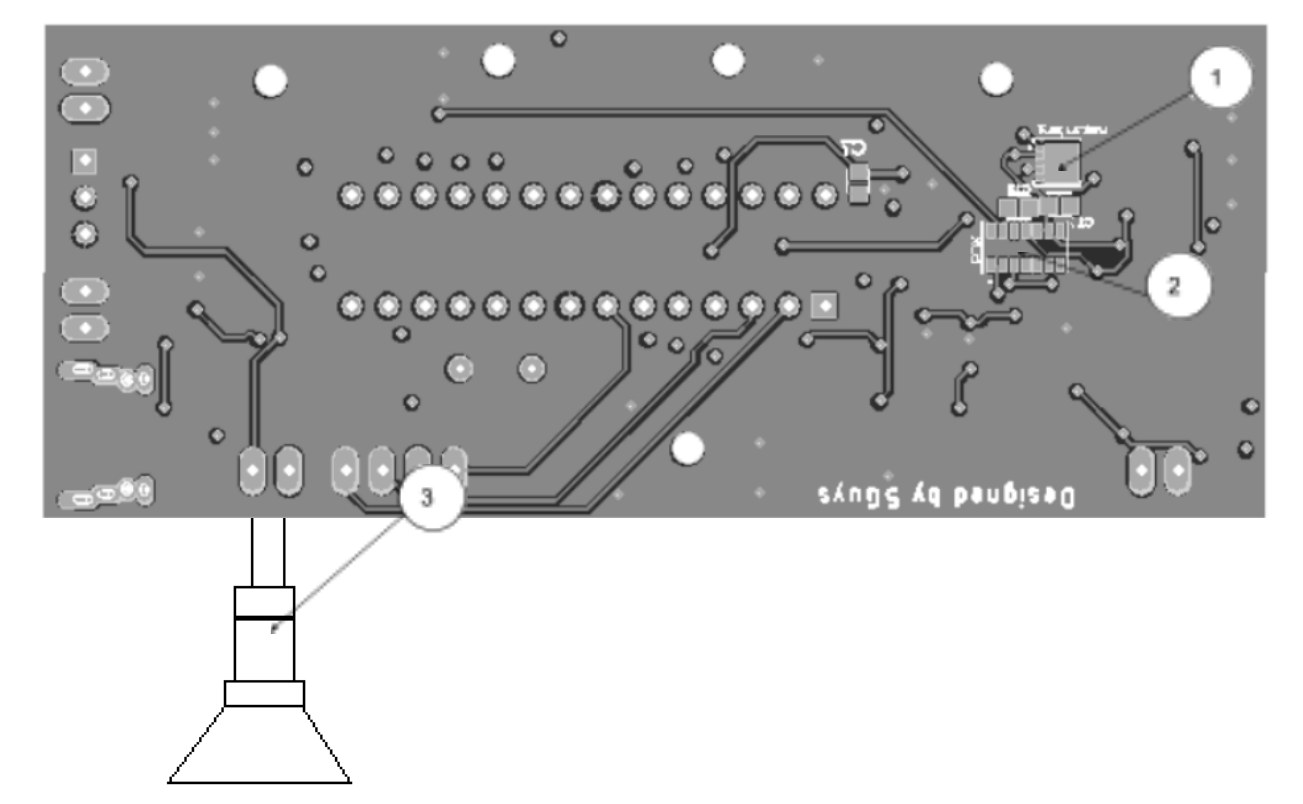
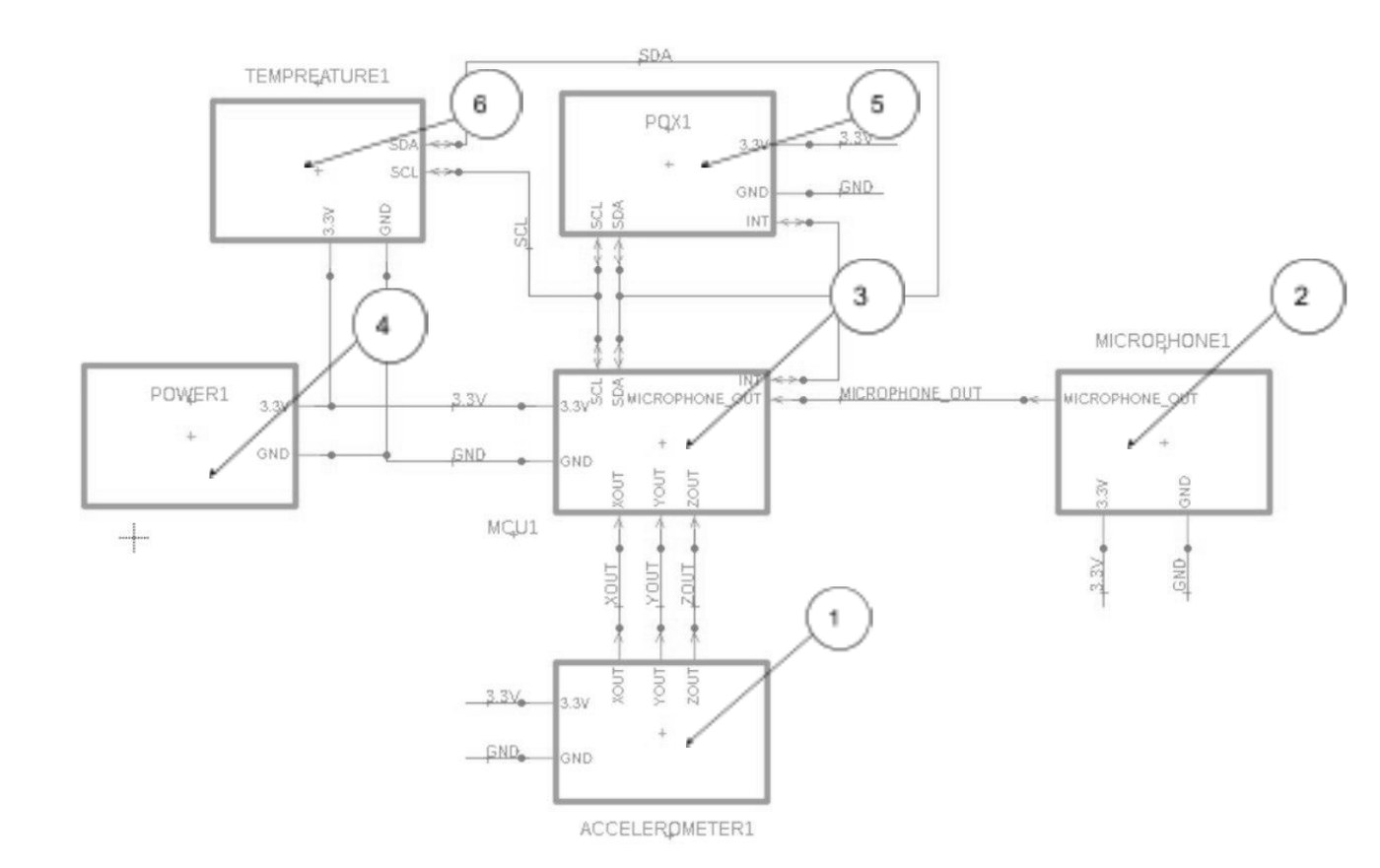
An ATmega328P ties together six modules: accelerometer, microphone front-end, pulse oximeter, IR temperature sensor and the power stage that charges the LiPo battery and regulates the supply. The board is double-sided, with the optical sensors and microphone port on one face and the controller, accelerometer, USB-C and data ports on the other.
Layout, controller side.
Layout, sensor side, with the stethoscope coupling.
Module-level schematic around the microcontroller.
Firmware and monitoring software
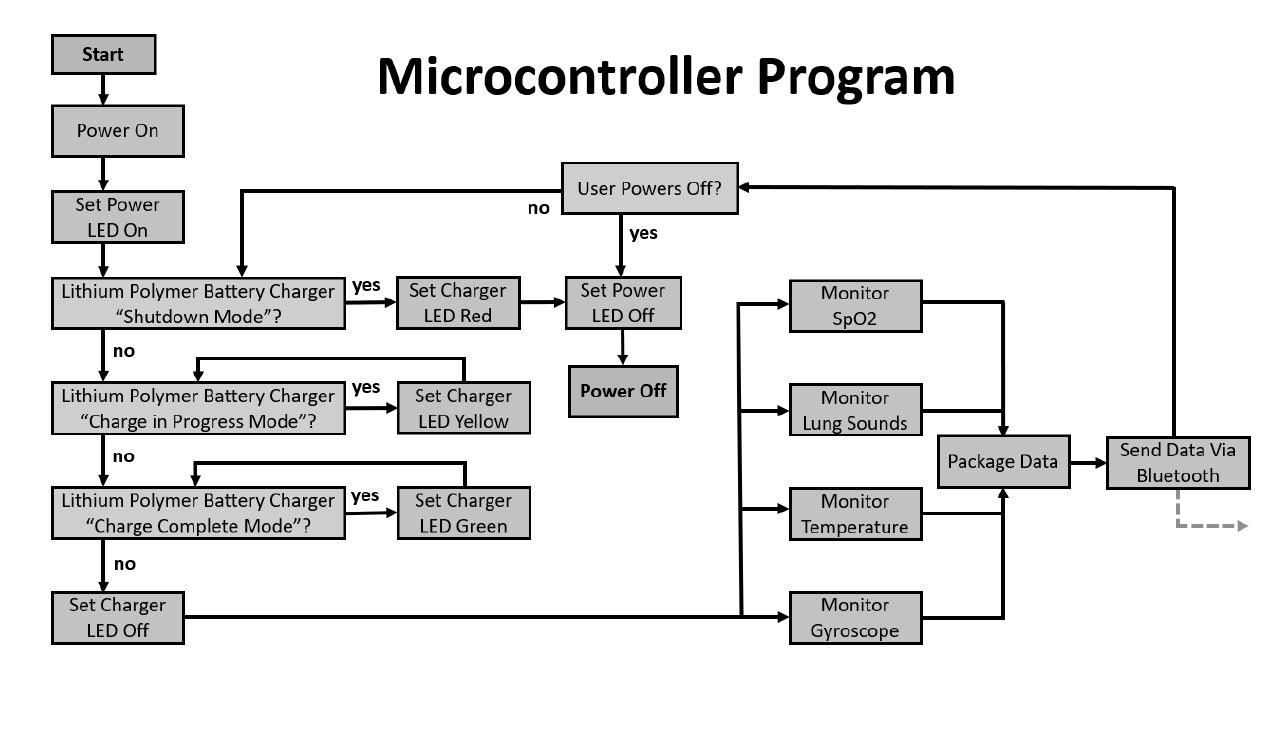
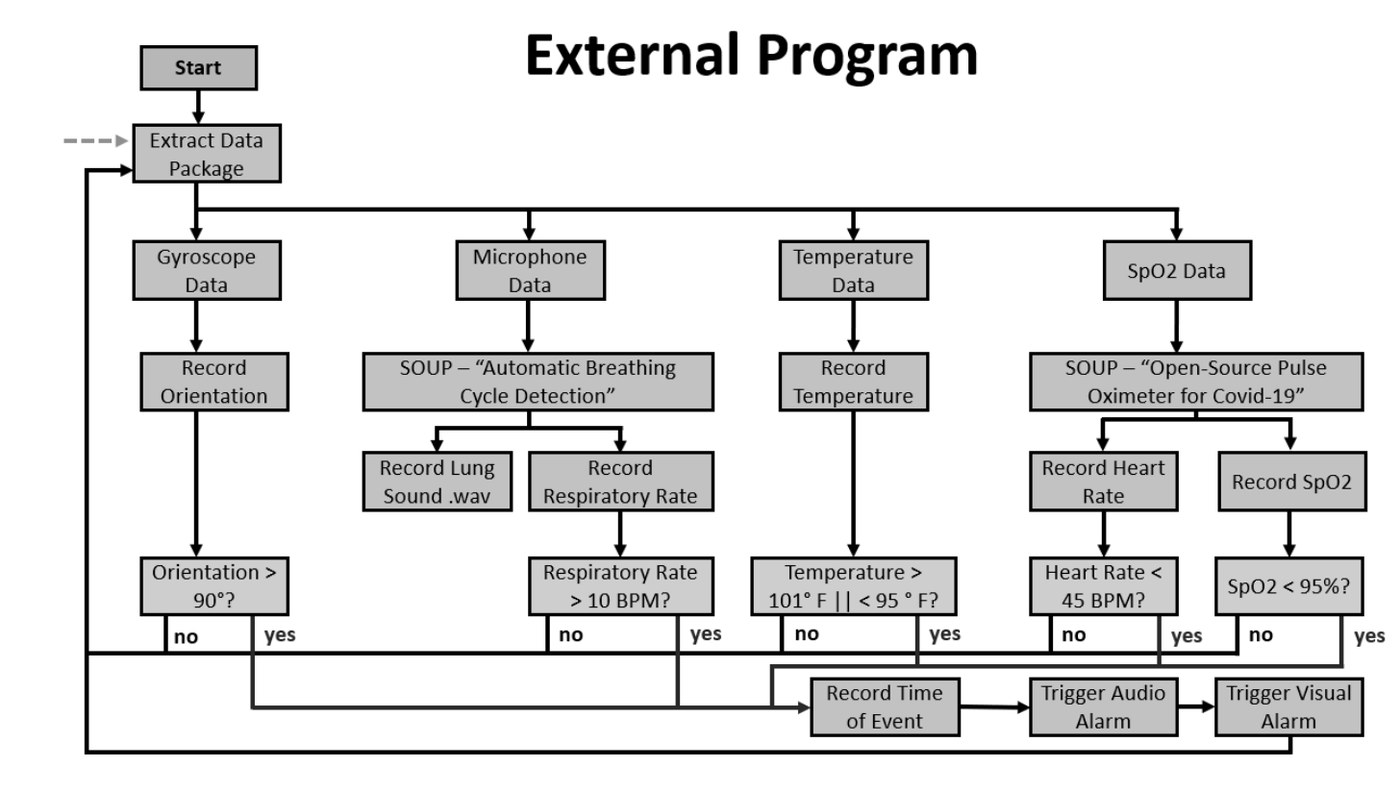
On the board, the firmware manages charging states and status LEDs, reads every sensor, packages the samples with a compact encoding scheme and sends them over Bluetooth. On the computer, a MATLAB program unpacks each stream, uses open-source algorithms for breathing-cycle detection and pulse oximetry, logs lung sounds, and raises audio and visual alarms with a timestamp whenever position, breathing, temperature, heart rate or SpO₂ leaves its safe range.
Microcontroller program.
MATLAB monitoring program with alarm thresholds.
Provisional patent
As part of the course, the team drafted a provisional patent for the system. Its claims cover:
A noninvasive infant monitoring system combining SpO₂, heart rate, temperature, orientation and acoustic respiratory sensing with wireless transmission
An acoustic system of resonator, microphone and noise-filtering circuit, with a spring-loaded resonator for reliable skin contact
Remote alarms (audio, visual or tactile) when any signal crosses a threshold
A protective enclosure and a fabric wrap with snap buttons to position the sensors
What I did
Designed, fabricated and tested the double-sided PCB
Wrote the compact encoding and decoding scheme for the Bluetooth data link
Built the interactive MATLAB GUI that displays and interprets the sensor data